If you are searching for a trusted business broker in London, Ontario, you have probably typed a few versions of the same query into your phone: business broker London Ontario near me, small business for sale London Ontario near me, or even buy a business London Ontario near me. Those phrases capture a familiar moment. You are serious enough to start looking, but not yet sure how the process works or who to call first. I have spent years on both sides of the table in acquisitions and exits around Southwestern Ontario. This is a practical, plainspoken roadmap to help you move faster and make fewer missteps, whether you aim to sell a business London Ontario near me or find an off market business for sale near me.
London’s small business market at street level
London sits in a sweet spot. It is large enough to support a full slate of professional buyers, mid market operators, and financing options, yet compact enough that reputation travels. Founders who built companies over 15 to 30 years come to market in a steady stream, especially in services, light manufacturing, trades, logistics, healthcare practices, food and beverage, and specialized retail. On the buy side, you see a mix of local owner operators, corporate carve out teams from the GTA, and increasingly, search fund buyers who prefer companies with $500,000 to $2 million in seller discretionary earnings.
Prices in this region tend to be rational. You rarely see the froth of Toronto multiples, except in niche software or HVAC firms with recurring maintenance revenue. In London, a clean, well documented service company with $750,000 in SDE might transact at 2.5 to 3.5 times SDE, depending on customer concentration, owner reliance, and contract terms. Manufacturers with defensible processes and a second tier of management often command higher, closer to 4 to 5 times normalized EBITDA, sometimes more if there is proprietary IP or long term supply agreements.
The real constraint is not capital. It is deal flow and fit. That is where experienced business brokers London Ontario near me earn their keep, especially when they can open doors that public listings cannot.
What a broker actually does, and what you should expect
A good broker is part matchmaker, part project manager, part deal psychologist. They help sellers prepare a business so buyers can assess it quickly. They translate messy reality into a confidential information memorandum. They know how to position working capital, normalize financials, and preempt questions that chew up time. They keep buyers moving without turning the screws so hard that trust breaks.
For buyers, a credible broker can surface opportunities early, share a pipeline of businesses for sale in London near me that fit your criteria, and secure an orderly process. If you are searching for companies for sale London near me, a broker with long relationships will get you one or two looks at quiet situations before they hit broader circulation. Not every firm can do that. Ask how long they have operated in London, the number of closed transactions in the last two years, and the types of businesses they actually sell.
Fees vary. For sellers, success fees often land in the 8 to 12 percent range for deals under $5 million, with a lower sliding scale for larger transactions. Expect a modest engagement fee if the broker provides deep prep work. For buyers, some firms offer buy side mandates. Those can be flat retainers plus a success fee, or a pure success fee if you agree to a narrow brief. A broker advertising liquid sunset business brokers near me or sunset business brokers near me may serve a broader Southwestern Ontario footprint, which can be a plus if you are open to nearby towns within an hour’s drive.
How to choose and vet a broker without wasting three months
London has ten to fifteen active brokerage shops at any given time, from solo operators to small teams. The right fit is about depth in your industry, not just charm in the first meeting. I have seen deals sink because the broker did not grasp how to explain backlog, revenue recognition, or seasonal working capital swings. If a buyer cannot make sense of the numbers in the first week, momentum evaporates.
Here is a crisp vetting checklist you can work through in one meeting.
- Ask for three recent closed transactions in or near London that resemble your business in size and sector, then call those clients. Review a sample confidential information memorandum with redactions, and press on how they handled owner add backs and customer concentration. Get a clear marketing strategy, including which platforms, how they approach off market outreach, and a confidentiality plan tailored to your staff and customers. Clarify fee structure, engagement length, and how they handle multiple interested buyers to avoid a race to the bottom or chaos. Assess responsiveness with a simple test, send a short list of follow up questions and measure how promptly and precisely they reply.
The right broker will push back on unrealistic expectations. If you insist your café with volatile sales deserves a 5 times multiple because you poured your heart into it, you need someone who can both empathize and anchor the valuation with data from London and nearby markets.
The path to buy a business in London Ontario near me
If you are on the buy side, the first days set the tone. I advise buyers to do three things before they contact anyone about a business for sale London, Ontario near me. First, write a one page investment brief that states your budget range, industry preferences, non negotiables, and your plan to run the company on day one. Second, get prequalified conversations with lenders so you understand how much debt you can realistically place, whether through an asset backed facility or a cash flow loan. Third, decide up front whether you are comfortable with an earnout or a vendor take back note, both common in smaller deals.
Once you engage, keep the process simple.
- Send a concise buyer profile and sign the NDA quickly. Brokers prioritize responsive buyers. Ask for the last three years of financials, year to date data, and a basic customer and supplier summary. Do not request everything at once. If you like what you see, request a 45 minute owner call with a focused agenda. Show you did your homework. Move to a short letter of intent within two to three weeks. Set exclusivity, price, structure, due diligence items, and a realistic closing timeline. Keep the pace. Weekly check ins with the broker and seller’s advisor prevent drift and misunderstandings.
Speed signals seriousness. I have seen first time buyers lose a business for sale in London Ontario near me because they waited for a perfect data set before drafting an LOI. By the time they moved, a more decisive local operator had locked the deal.
Off market is a mindset, not a mystery channel
People love to whisper about off market business for sale near me as if it is a private club. The secret is that off market just means earlier, warmer conversations, not breaking news. Yes, good brokers keep a stable of owners who are not quite ready but would sell for the right price and handoff terms. Serious buyers willing to sign NDAs and respect confidentiality will get a look.
If you do your own off market outreach, be specific and low pressure. A concise letter that references a couple of local deals you admire, shows you understand their industry, and offers a friendly coffee works better than a mass email blast. Many owners do not respond to strangers, but they will respond to a local broker making an introduction. That is one of the quiet advantages of engaging firms tied into the London network of accountants, lawyers, and bankers. When you see a phrase like businesses for sale London Ontario near me in a broker’s marketing, it is not only a web page. It reflects a living pipeline.
Valuation, structure, and the realities of small market deals
Valuation is where math meets narrative. In London, narrative often carries more weight than in big metro markets, because buyers and sellers are likelier to know the same customers, suppliers, and staff. A landscaper with stable municipal contracts and a foreman who can run crews without the owner on site is worth meaningfully more than a comparable shop dependent on the founder’s relationships.
Expect to encounter two broad structures. Asset purchases are common for small and mid sized transactions, especially when buyers want to avoid legacy liabilities and reset depreciable bases. Share purchases occur when tax efficiency for the seller, continuity of contracts, or licensing considerations outweigh other factors. HST implications, bulk sales rules, and employment matters require careful attention. A London based broker who has lived through both forms can help you line up the right lawyer and accountant so the structure you choose is executable, not just optimal on paper.
Vendor take backs of 10 to 30 percent of the purchase price still show up frequently. They reduce financing pressure and keep the seller invested in transition. Earnouts tied to clear metrics make sense in marketing agencies, seasonal businesses, and companies rolling out new product lines. Keep them simple. A messy earnout will sour relationships fast when definitions collide.
Financing in practice, not in theory
Buyers often ask whether local lenders will finance goodwill heavy acquisitions. The answer is a qualified yes. Banks in London will lean in for businesses with consistent free cash flow, clean books, and tangible assets as collateral. If collateral is thin, expect personal guarantees, higher equity injections, or layered solutions, such as a smaller senior facility plus a vendor note and a working capital line.
Alternative lenders operate here as well, offering cash flow loans at higher rates, but with faster credit decisions. For acquisitions under $2 million enterprise value, I often see 30 to 50 percent equity, 20 to 30 percent vendor paper, and the remainder as senior debt or an equipment refinance. Talk early to a banker who regularly funds acquisitions, not just a branch manager. Your broker should have three names ready, which is another way to gauge their embeddedness in the London market.
Confidentiality is culture
In a city where your CPA might sit one table over at The Squire, confidentiality is more than a signed NDA. Smart brokers stage disclosures and use calm, respectful language around staff and customers. Teasers should never hint at the client’s identity. When owner meetings happen, neutral sites help. For on site visits, plan for a plausible pretext or after hours walkthrough. Good brokers coach both sides to keep the circle small until the deal is truly ready to be shared. If you are a seller, ask how the broker protected identities in recent mandates. If you are a buyer, follow the playbook faithfully or you will lose access to the better opportunities.
Anatomy of a clean process
The cleanest deals I have seen in London typically share a rhythm. The seller spends two to six weeks with the broker tidying financials, preparing a sober CIM, and pre answering predictable questions. Buyers receive the package, quickly surface gaps, then narrow toward a focused diligence list. The LOI sets 45 to 60 days for diligence and financing. Legal drafts within two weeks. Environmental and equipment inspections within three. Working capital peg defined before final documents circulate, not on the last day. Weekly calls keep everyone honest.
Contrast that with a wobbly process. The seller hands over a shoebox of receipts, the broker sugarcoats seasonality, the buyer infers a story that later falls apart, and trust frays. Someone goes dark for two weeks, a staff member hears a rumor, and suddenly you are https://archeroufy124.theglensecret.com/companies-for-sale-london-where-to-find-legitimate-listings paying a premium to fix anxiety. Process discipline wins deals at good prices.
A few lived examples, with the names filed off
A local commercial cleaning company with $1.1 million SDE looked ordinary on paper. The owner claimed minimal customer concentration, but the top five accounts were all tied to the same property manager. The broker understood the nuance and said so in the CIM, preventing a panic mid diligence. They also lined up a quiet reference call with a former client who had switched providers, giving the buyer a candid view. The deal closed at a fair multiple, in part because no one felt blindsided.
A specialty bakery had three years of rising sales and social media buzz. Buyers lined up. During prep, the broker modeled capacity constraints and labor costs with brutal honesty. The owner had been working 70 hour weeks. Two buyers dropped, one stayed and proposed a manager hire baked into the structure. The final price was slightly lower than the top offers, but the deal held and the business stabilized under new leadership.
A custom metal fabricator with a small but sticky aerospace segment drew outside interest. The broker called two local operators searching for small business for sale London near me, both with ISO experience. One already knew the plant manager from a trade event. That relationship collapsed the risk premium. The seller accepted a share sale at a valuation that would have been tough with a generalist buyer unfamiliar with certifications. That is what it looks like when a broker’s network solves a real problem in two phone calls.
Where online listings fit, and where they do not
Public platforms help, especially for buyers who want a broad scan. You will see business for sale in London Ontario near me on the standard marketplaces, sometimes cross posted on a brokerage’s site. Use those to learn pricing patterns and sectors with supply. But do not expect the best opportunities to live online for long. Serious buyers also build relationships with three to five brokers and check in monthly. If you keep hearing the same opportunities, your budget or criteria might be too narrow. Widen the radius to St. Thomas, Strathroy, or Woodstock, and you may find a better price or less competition while still close enough to manage.
Seller preparation that pays off
If you plan to sell a business London Ontario near me within the next 12 to 24 months, invest modest energy now to multiply your outcome later. Clean separation of personal and business expenses matters more than most owners think. Reconcile inventory with care. If you run seasonal promotions, tag the impact clearly so buyers can model run rate performance. Elevate a second in command and delegate visibly for at least a few quarters. Even a small transition plan can shrink perceived owner dependence, which buyers will pay for.
It also helps to map customer concentration openly. If two customers make up 40 percent of revenue but have five year contracts with 90 day termination notice, say so and include the contracts under NDA. When your broker can point to durable terms, buyers stop imagining the worst.
Working with an advisor who knows this city
Brokers who thrive in London tend to share traits. They are conservative in their projections, quick on the follow through, and calm when deals wobble. They know which accounting firms pick up the phone and which lenders will go to bat for an unusual structure. They arrange meetings at the right coffee shops and know where to hold a quiet site visit. When you are scanning for business for sale London near me, small business for sale London near me, or buying a business London near me, remember that you are not just choosing a listing, you are choosing a process and a set of people who will be in your life for months.
If you are evaluating multiple firms, ask each to walk you through a timeline for a typical mandate that resembles your situation. A good broker will describe the messy parts as frankly as the tidy parts. They will tell you when deals die and why. They will admit what they cannot control, like interest rate moves or supply chain shocks, while showing how to narrow uncertainty elsewhere.
The tiny details that quietly move the needle
Two final notes that rarely make the headlines but often make the deal.
First, working capital pegs. Agree on a formula early. Define which balance sheet accounts are included and how seasonality will be handled. In London’s many seasonal businesses, a lazy peg can move six figures at closing.
Second, transition scope. Buyers should write down what they expect from the seller for the first 30, 60, and 90 days, with hours per week and whether compensation is included in purchase price or paid separately. Sellers should push for clarity on decision rights during transition so they are not blamed for every hiccup while the buyer learns.
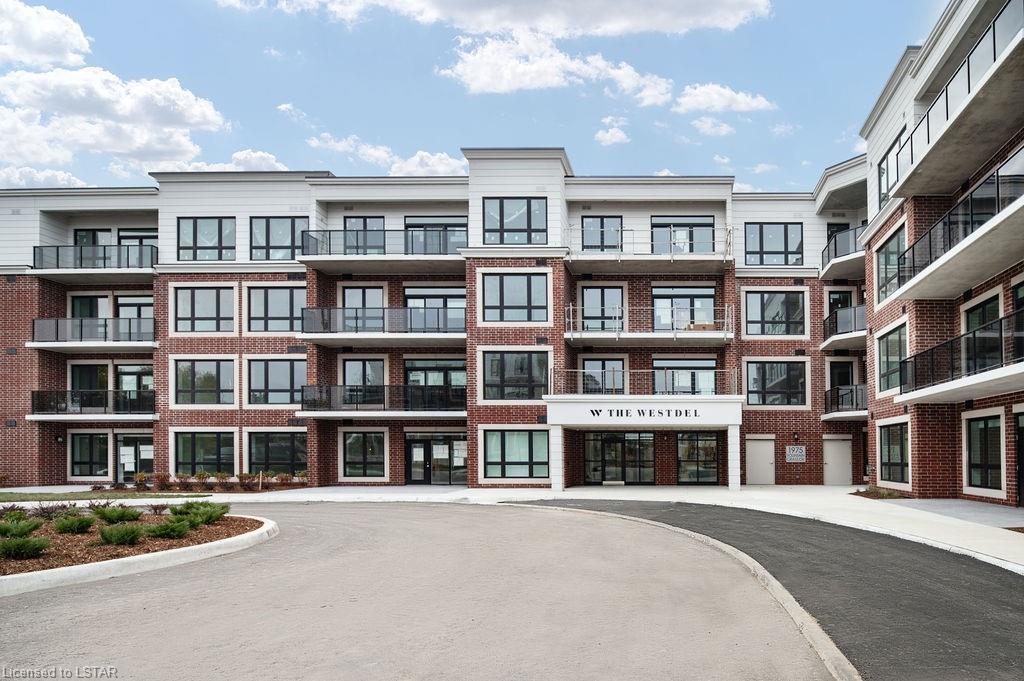

These are the kinds of items a seasoned broker will shepherd, quietly preventing friction when everyone is a bit tired near the end.
Bringing it together
Whether you are scanning for business for sale in London near me, weighing companies for sale London near me, or reaching out to a business broker London Ontario near me for the first time, you are stepping into a well traveled path with local norms that reward preparedness and respect. Lean on people who have shipped dozens of deals through this market. Keep your asks clear, your cadence steady, and your ego in check. The best outcomes in London happen when both sides feel seen, the numbers tell a coherent story, and the process has enough structure to carry the weight.
If you are ready to start, block an hour this week to do two simple things. Write your one page buyer or seller brief, then book conversations with two brokers who can prove recent, relevant wins in London. If one of them shows you a small business for sale London near me that clicks with your goals, move promptly, ask pointed questions, and keep the tone human. That is how you turn a search for buying a business in London near me into an ownership story you are proud to tell.