For property managers, maintaining a building’s mechanical systems is often seen as a necessary expense—a box to check on a maintenance checklist. However, considering the health and comfort of your tenants, HVAC maintenance is far more critical than simply a chore. Air quality, in particular, is a silent determinant of tenant satisfaction and property value. If the air circulating through your building feels stale, or if utility bills are mysteriously climbing, the ductwork itself might be the culprit. But how often is the ductwork actually being cleaned, and more importantly, when should property managers schedule duct cleaning? Understanding the right timing can save you money, improve air quality, and keep your tenants (and your reputation) happy.
Understanding the Invisible Problem in Your Ducts
Ducts are essentially the circulatory system of your building's HVAC unit. They carry clean, conditioned air from the source to the occupied spaces. If this "bloodstream" becomes clogged or contaminated, the entire system suffers. The buildup inside these ducts is not just dust; it’s a complex, sticky cocktail of organic and inorganic materials that can impact air quality, efficiency, and even health.
What Exactly Accumulates Inside Ductwork?
The buildup is rarely uniform, and what settles depends heavily on the building's location, age, and internal activity. These accumulated materials include:
- Dust and Debris: General household dust, pet dander, and outdoor particulate matter that simply settles over time. Mold and Mildew: These organisms thrive in cool, damp, and dark environments—conditions perfectly met by ducts. Mold spores are potent allergens. Dust Mites and Pollen: These are airborne irritants that get trapped and multiplied within the duct lining. Grease and Oils: In commercial settings, cooking grease or general oils can accumulate, acting as a sticky medium for other contaminants. Sediment: Over years, pet hair, lint, and small pieces of construction debris can work together, creating a thick, insulating layer that restricts airflow.
Recognizing the Signs of Neglected Ducts
Ignoring the ducts is like letting a car's engine run on sludge—eventually, something breaks. How can you tell if your system is struggling? Pay attention to these visible and measurable signs:
- Increased Utility Bills: If the HVAC unit is working harder than it needs to, it means airflow is restricted. The system has to pull more air through less effective pathways, wasting energy. Musty or Earthy Odors: This is perhaps the most immediate giveaway. A lingering, stale, or musty smell, especially noticeable when the HVAC system kicks on, often points directly to mold or mildew growth. Uneven Temperatures: Some zones of the building might feel noticeably warmer or colder than others, indicating that the air is not distributing correctly due to clogs or leaks. Persistent Allergies: If multiple tenants report unexplained respiratory issues or persistent allergies, the duct system should be a prime suspect.
Determining When Should Property Managers Schedule Duct Cleaning?
There is no single, definitive calendar date that applies to every building. The optimal timing depends on a careful assessment of the building's operational profile and the severity of the contaminants. Instead of thinking about a fixed schedule, think about a maintenance cycle driven by usage and seasonal shifts.

The Seasonal Approach: Following the HVAC Cycle
Since the HVAC system cycles between heating and cooling, the ideal time to clean often aligns with the seasonal transition.
- Spring (Pre-Cooling): This is a prime time. As the weather warms up, the HVAC system transitions from heating mode to cooling mode. This change in operation can stress the system, and the buildup of winter grime (dust, pet dander) needs to be removed before the heavy use of air conditioning begins. Fall (Pre-Heating): Similarly, as temperatures drop and the heating system ramps up, it’s a good time to clean. The ducts may have accumulated mold or spores during the warmer months, and cleaning them ensures the fresh, dry air entering the building is clean.
Identifying High-Risk Scenarios for Immediate Cleaning
Sometimes, waiting for the spring or fall is simply too long. Certain events necessitate an immediate call to the cleaning crew.
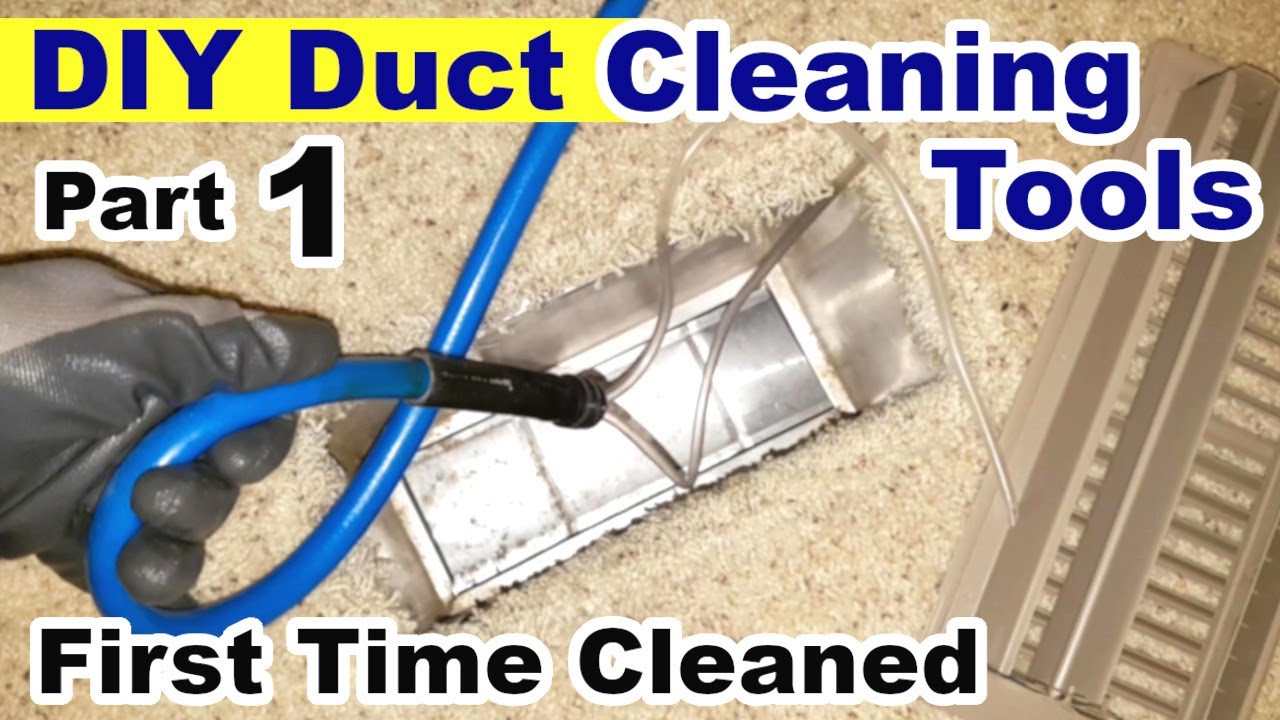
- After Renovation or Construction: Dust and fine particulate matter are the enemies of HVAC systems. If construction has occurred, the ducts are coated in fine dust, which can contain chemicals and drywall particles. Cleaning is non-negotiable. After Water Leaks or Flooding: Any source of water introduces a high risk of biological contaminants. If a leak has occurred, mold growth can happen rapidly and requires professional remediation and cleaning. High Occupancy Turnover: When a building undergoes a major change in tenants or use, a deep cleaning helps establish a clean baseline for the new occupants.
"Clean air is not a luxury; it is a fundamental pillar of public health and property management." — Adapted from industry experts
Integrating Duct Cleaning into Comprehensive Maintenance Plans
Duct cleaning should never be viewed as a standalone fix; it must be part of a comprehensive, proactive maintenance strategy. It's a holistic approach to maintaining the building's mechanical integrity, not just a dust removal service.
The Importance of Inspection Before Cleaning
Before any cleaning is scheduled, a professional inspection should be performed. Why? Because the inspector can identify the source of the problem—is it just dust, or is there a major structural leak, or perhaps an issue with the condensate drain? A proper inspection ensures that the cleaning service is addressing the root cause, not just the symptoms.
Addressing the "Dirty Secret" of HVAC Filters
A common mistake property managers make is assuming that a duct cleaning negates the need for filters. This is incorrect. Filters are the first line of defense. They capture the largest airborne particles, protecting the mechanical components. A deep duct cleaning removes the trapped contaminants, but regular, high-quality filters (changed according to manufacturer guidelines) are essential for ongoing protection.
As one veteran property manager noted, "The HVAC system is like a horse: if you let it run on stale fuel and dirty tack, eventually it's going to throw a shoe, no matter how good the horse is."
Maintaining Peak Performance Year-Round
Ultimately, the goal is not just to clean the ducts once, but to keep them healthy and efficient year-round. By asking, when should property managers schedule duct cleaning?, you are asking a question that deserves a nuanced answer: when the evidence suggests it is needed.
Consider implementing a three-pronged approach:
- Annual Deep Clean: A professional duct cleaning every 12-18 months (or as recommended by the service provider) serves as a necessary reset. Seasonal Tune-Up: Always pair the deep clean with a full HVAC system tune-up to check the coils, belts, and drain pans. Routine Monitoring: Train staff to monitor for changes in odor, temperature, or utility consumption.
By treating your duct system with the respect it deserves—by scheduling cleaning proactively and monitoring performance closely—you are investing in more than just clean air; you are investing in tenant comfort, reduced operational costs, and the overall perceived value of your property. A clean, efficient HVAC system is the bedrock of a thriving community, ensuring that the air circulating through your building is as fresh and invigorating as the first day a tenant moved in.
